
The Importance of Maintaining Your Commercial HVAC System.
What is an HVAC system?
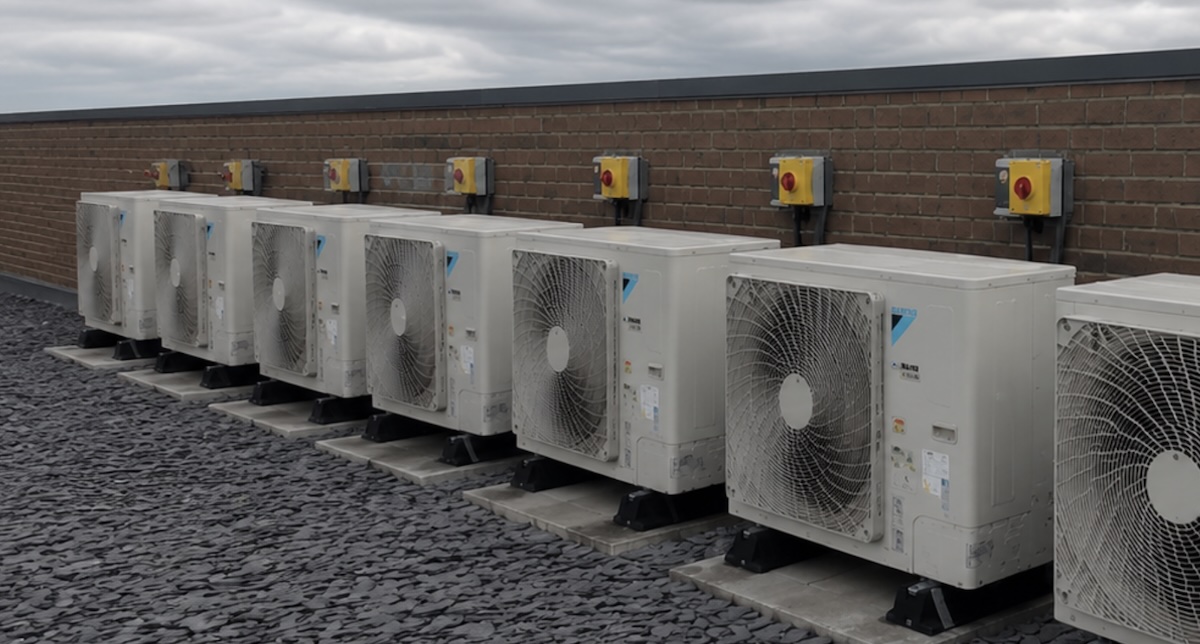
Heating, Ventilation and Air Conditioning (HVAC) systems play a vital role in maintaining a comfortable, healthy and productive indoor environment in commercial and industrial buildings. Whether in offices, warehouses, factories or retail premises, an HVAC system regulates temperature, controls humidity, improves indoor air quality and helps create a safe and efficient workplace throughout the year.
A well-designed and properly maintained HVAC system not only keeps occupants comfortable but also protects valuable equipment, supports business continuity and helps reduce operating costs.
Why is regular HVAC maintenance important?
Like any mechanical system, an HVAC installation requires regular servicing to operate safely and efficiently. Without routine maintenance, small faults can quickly develop into expensive repairs, unexpected breakdowns and increased energy consumption.
Planned maintenance helps to:
- Improve energy efficiency and reduce operating costs.
- Extend the lifespan of equipment.
- Maintain healthy indoor air quality.
- Reduce the risk of costly breakdowns.
- Protect property and valuable assets.
- Help meet manufacturer warranty requirements.
- Support compliance with relevant UK regulations.
The consequences of neglecting HVAC maintenance
Health and safety risks
One of the primary functions of an HVAC system is to circulate clean, filtered air throughout a building. Dirty filters, blocked ductwork and poorly maintained equipment allow dust, allergens and airborne contaminants to accumulate, reducing indoor air quality and potentially affecting the health and wellbeing of occupants.
Poor ventilation can contribute to respiratory problems, headaches, fatigue and worsening symptoms for people with asthma or allergies.
In addition, warm and damp environments can encourage the growth of mould and bacteria if systems are not properly maintained. In certain circumstances, poorly maintained air conditioning systems can contribute to the spread of harmful bacteria, including those associated with Legionnaires’ disease.
Regular servicing also helps identify issues such as dust build-up, which may increase fire risk, and ensures combustion appliances are operating safely to minimise the risk of carbon monoxide exposure.
Higher energy costs
A poorly maintained HVAC system has to work harder to achieve the desired temperature. Dirty filters, blocked coils and worn components restrict airflow and reduce efficiency, increasing energy consumption and utility costs.
Routine servicing keeps equipment operating at peak performance, helping businesses reduce energy use, lower carbon emissions and control operating expenses.
Damage to property and equipment
HVAC systems also help regulate humidity, preventing excessive moisture that can damage buildings and their contents.
Blocked condensate drains can cause water leaks that damage ceilings, walls and flooring, while neglected cooling systems may suffer frozen evaporator coils or compressor failure. Excess humidity can also encourage mould growth and damage furniture, electronics, stock and sensitive manufacturing equipment.
Maintaining stable temperature and humidity levels helps protect both the building and the assets within it.
Invalidating manufacturer warranties
Many HVAC manufacturers require systems to be serviced at recommended intervals by qualified engineers. Failure to maintain the equipment in accordance with the manufacturer’s guidance may invalidate warranty cover, leaving building owners responsible for repair or replacement costs that might otherwise have been covered.
Reduced equipment lifespan
Commercial HVAC systems represent a significant investment. Regular inspection, cleaning and servicing reduce wear on critical components, allowing equipment to operate more reliably for longer.
Conversely, neglected systems experience greater strain, increasing the likelihood of premature component failure and reducing the overall service life of the installation.
How often should a commercial HVAC system be serviced?
For most commercial buildings, HVAC and air conditioning systems should be professionally serviced at least twice a year, typically in spring and autumn, to prepare for seasonal temperature extremes. Buildings with high occupancy levels, manufacturing processes or critical environments may require quarterly or more frequent maintenance.
In addition, systems containing fluorinated refrigerants must comply with UK F-Gas Regulations. Depending on the refrigerant charge, regular leak inspections by qualified engineers may be a legal requirement.
Conclusion
Routine HVAC maintenance is an investment rather than an expense. It helps reduce energy costs, improves indoor air quality, extends the life of valuable equipment and minimises the risk of unexpected failures that can disrupt business operations.
For commercial property owners and landlords, a planned maintenance programme also helps protect assets, supports legal compliance and provides confidence that heating, ventilation and air conditioning systems will continue to operate safely and efficiently throughout the year.
By addressing minor issues before they become major problems, businesses can reduce long-term maintenance costs, improve operational reliability and create a healthier, more comfortable environment for employees, tenants and visitors alike.